STYLE · JAPANESE
Japandi
Low centre of gravity, natural materials, clear light - order built into everyday life
INTRO
How the Japanese style is created
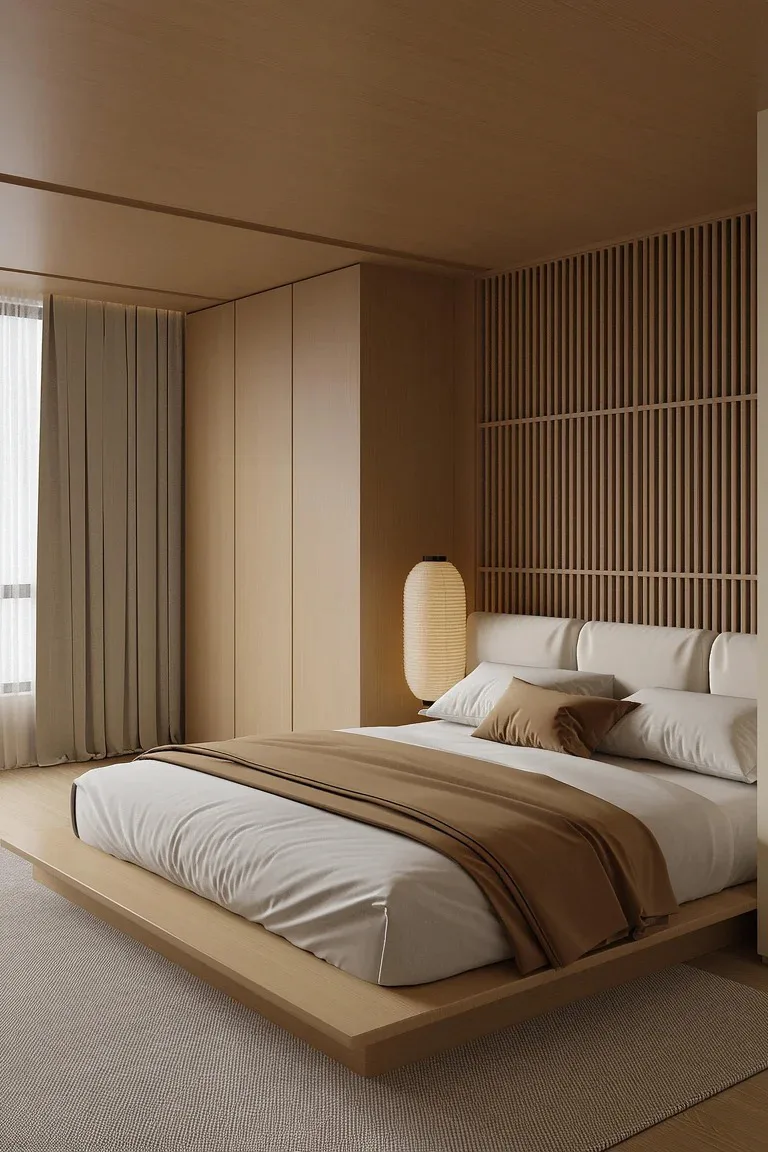
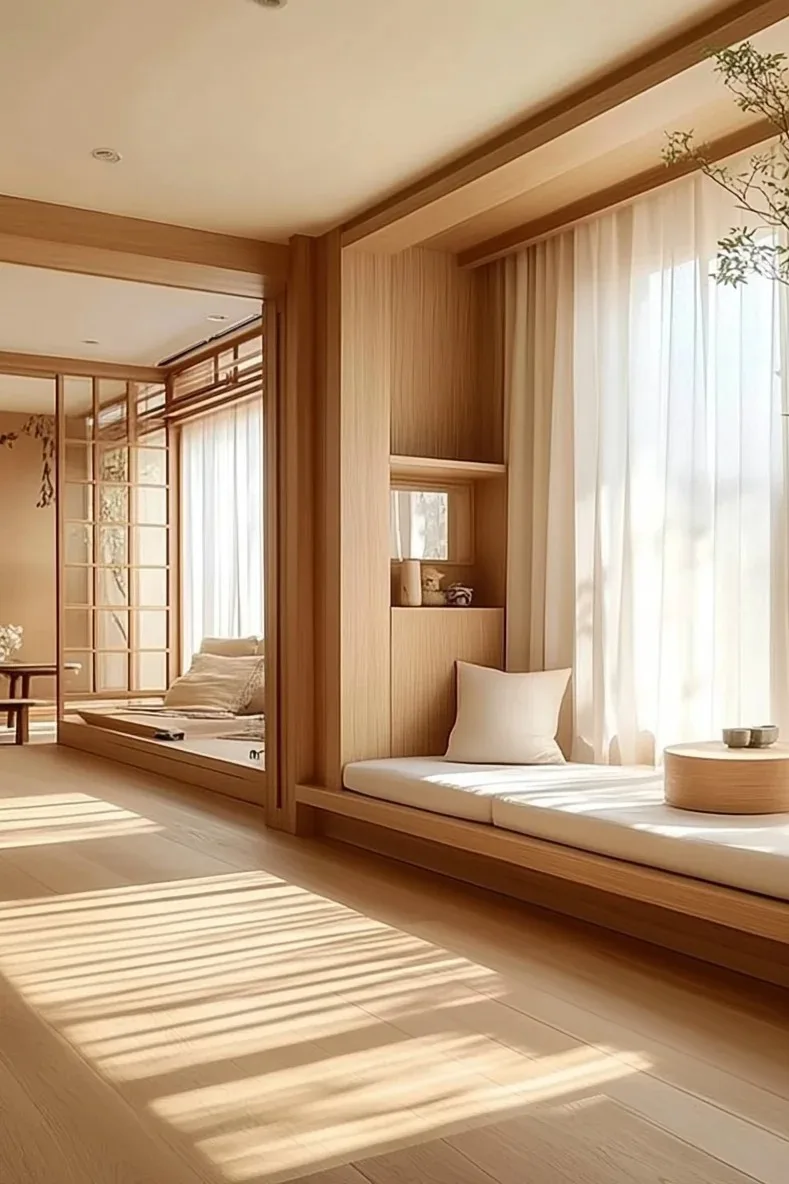
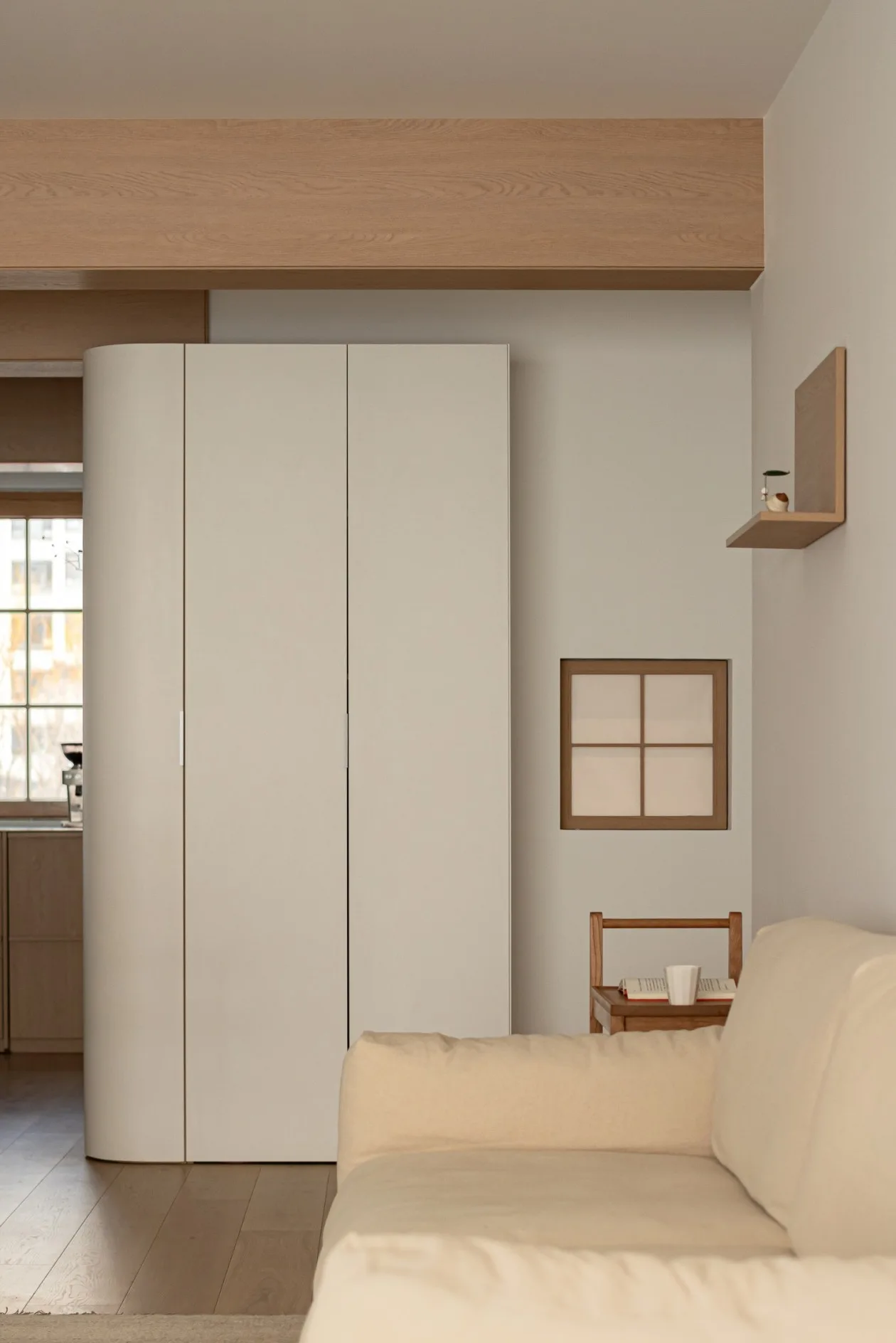
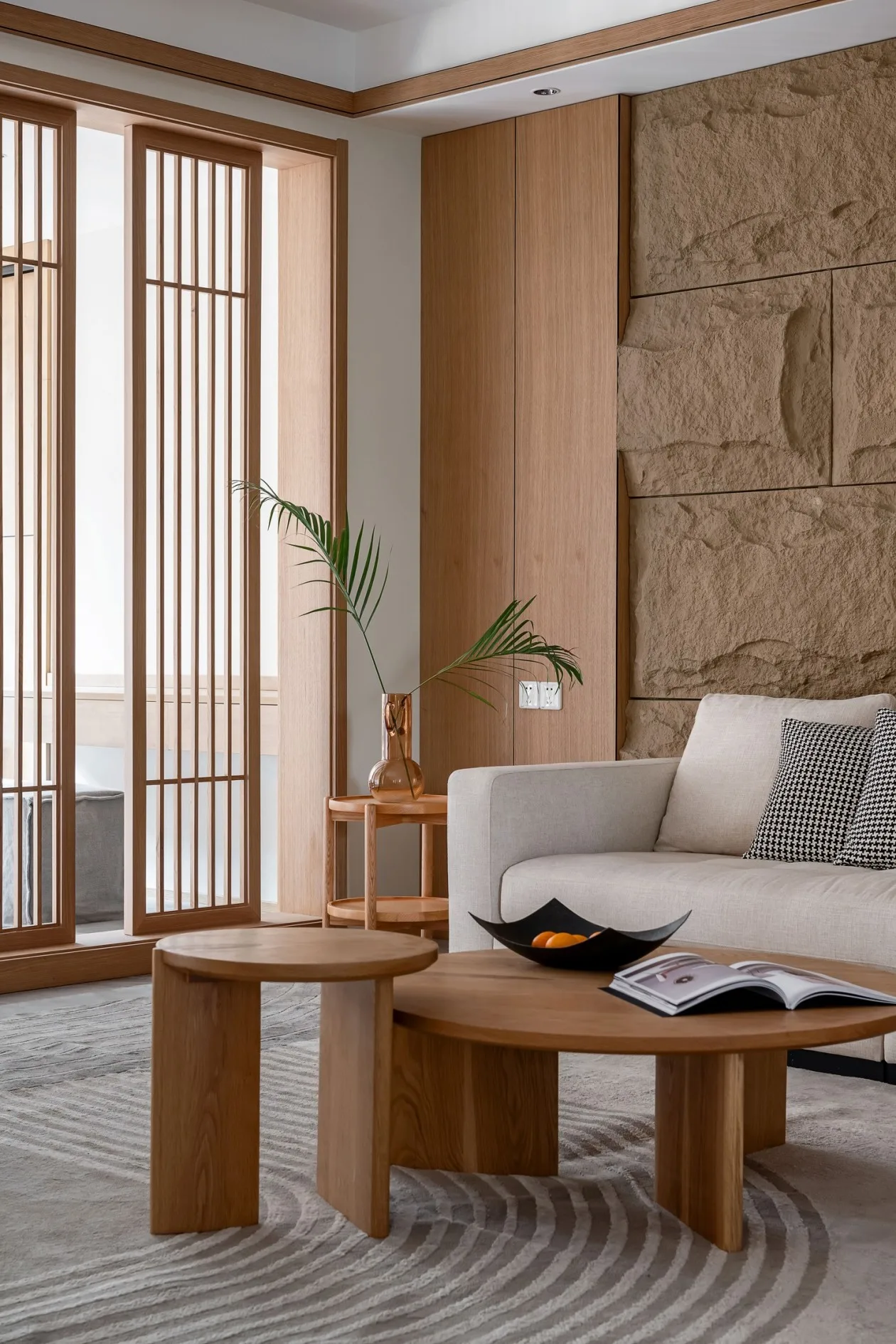
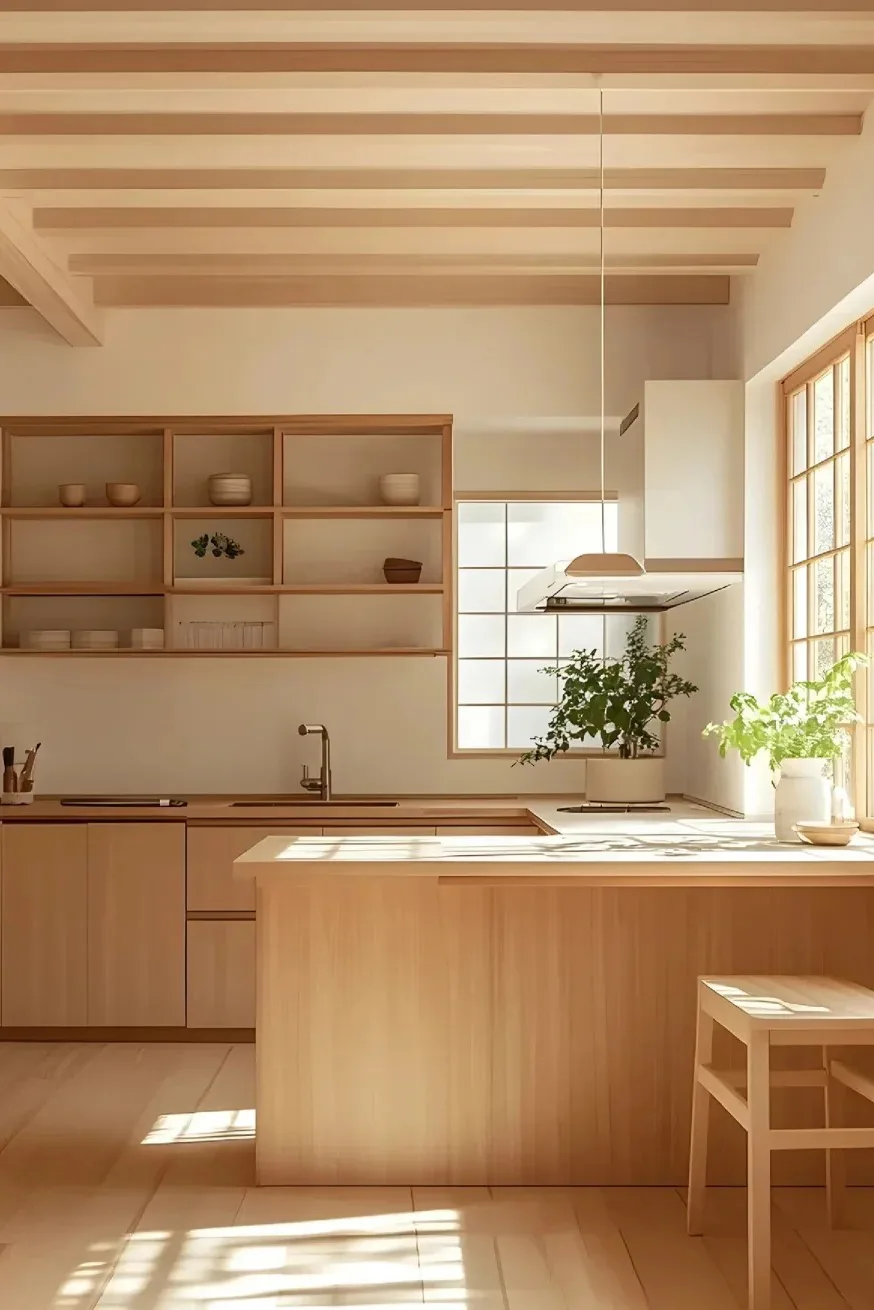
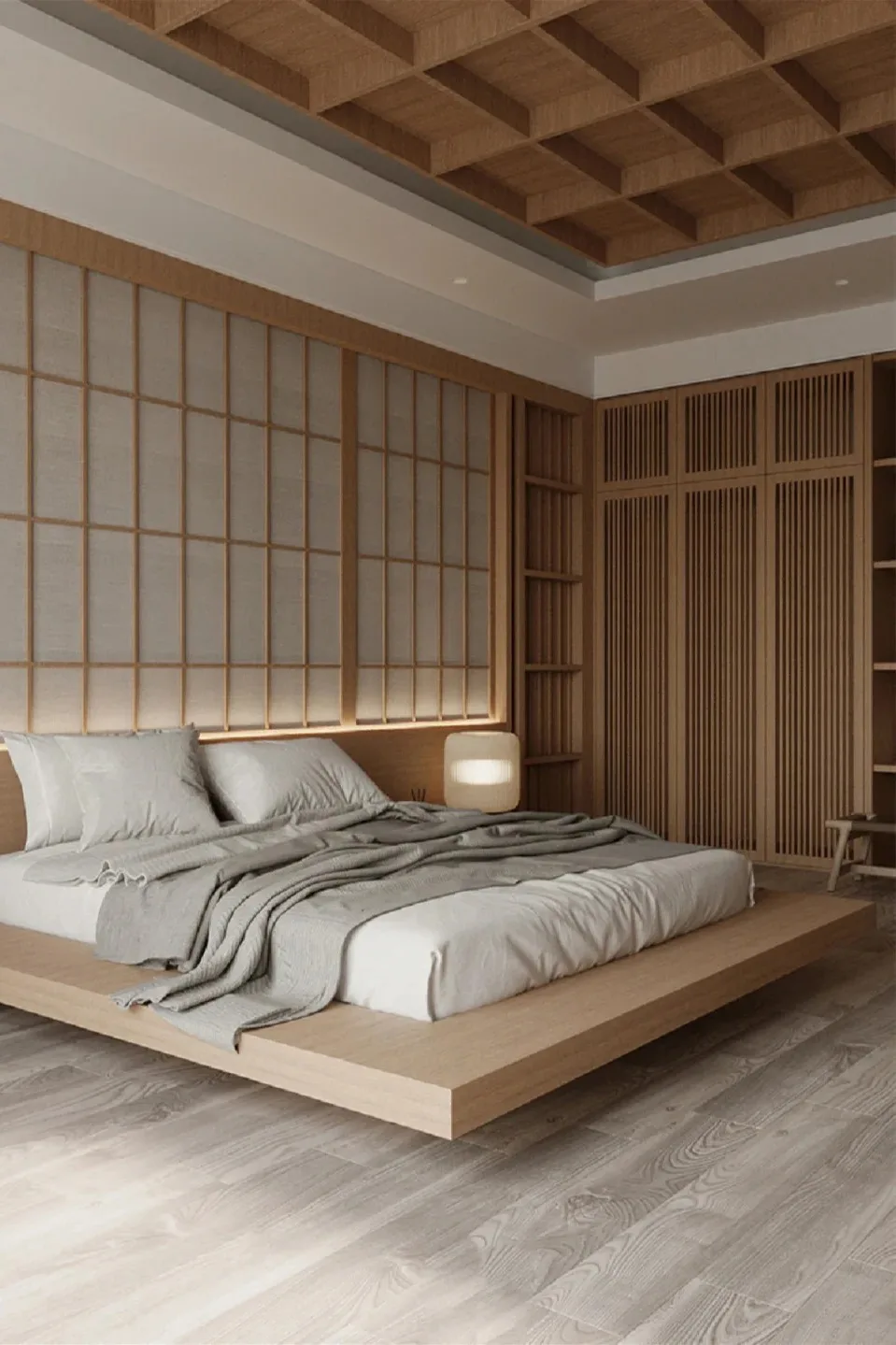
The Japanese style rests on three things: a low centre of gravity, natural materials and clear light. Counters and furniture sit lower so the eye drops and the space becomes quiet; wood, rattan, cotton-linen and washi - materials that age with use - are used generously, so the home gains character over time.
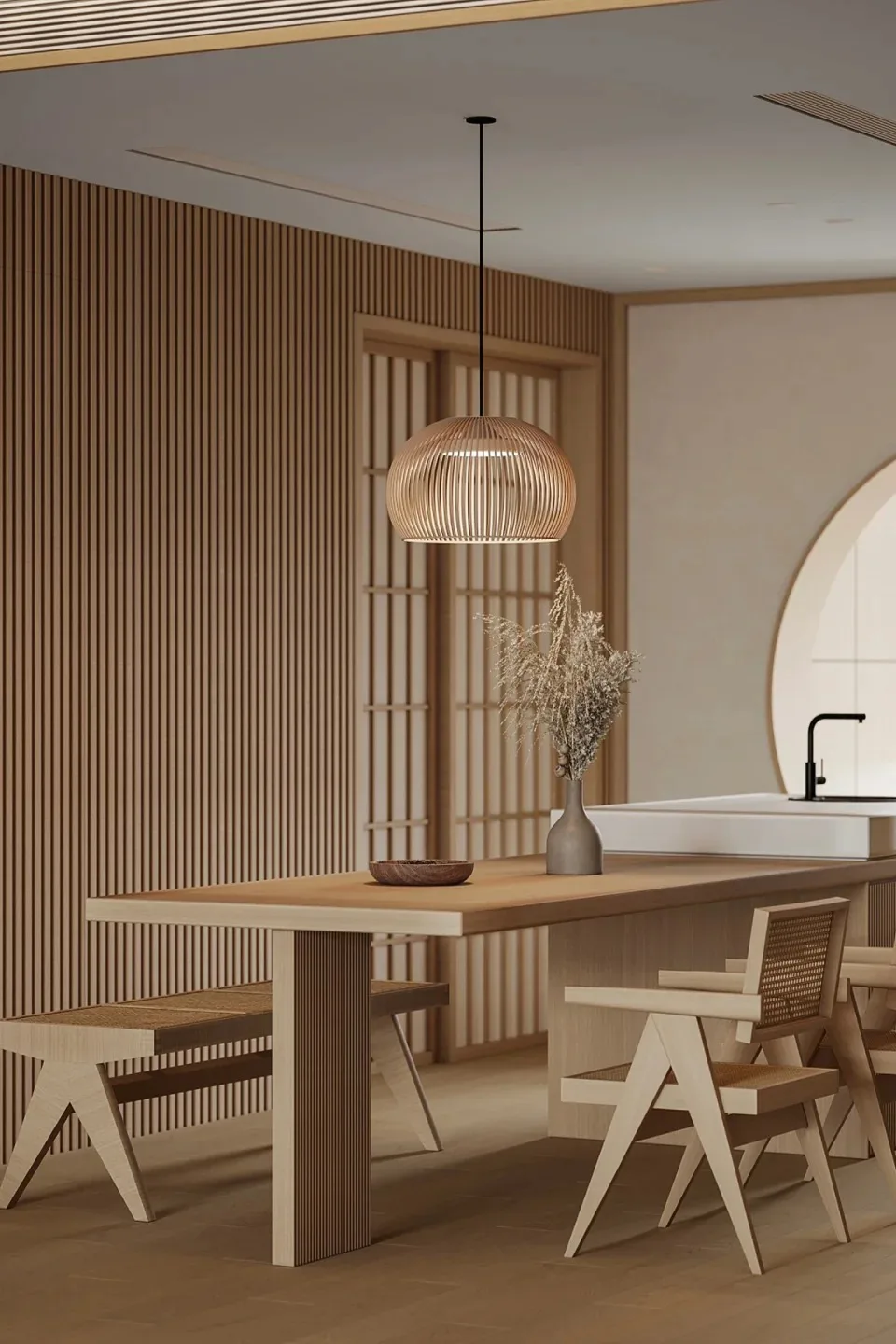
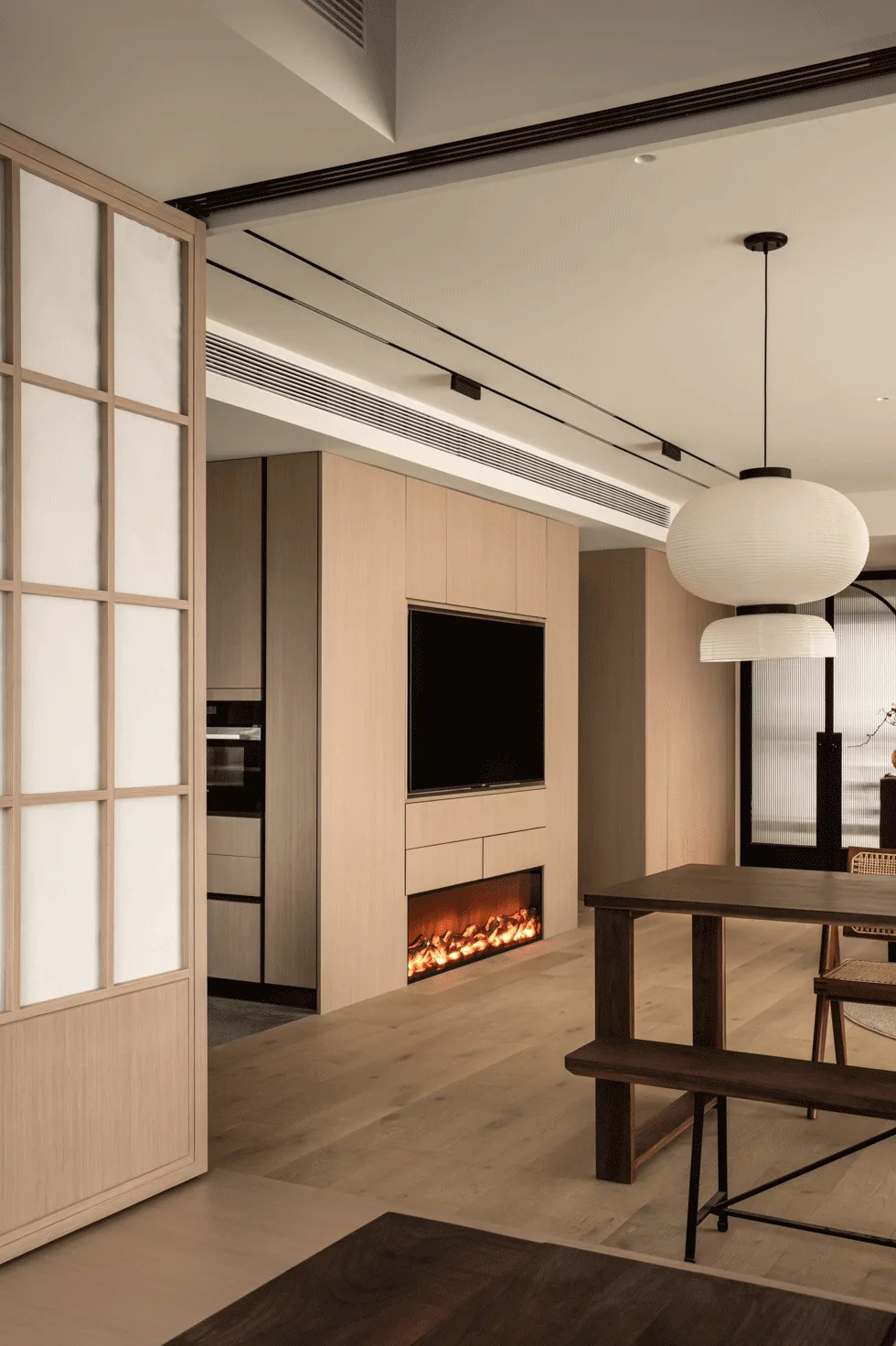
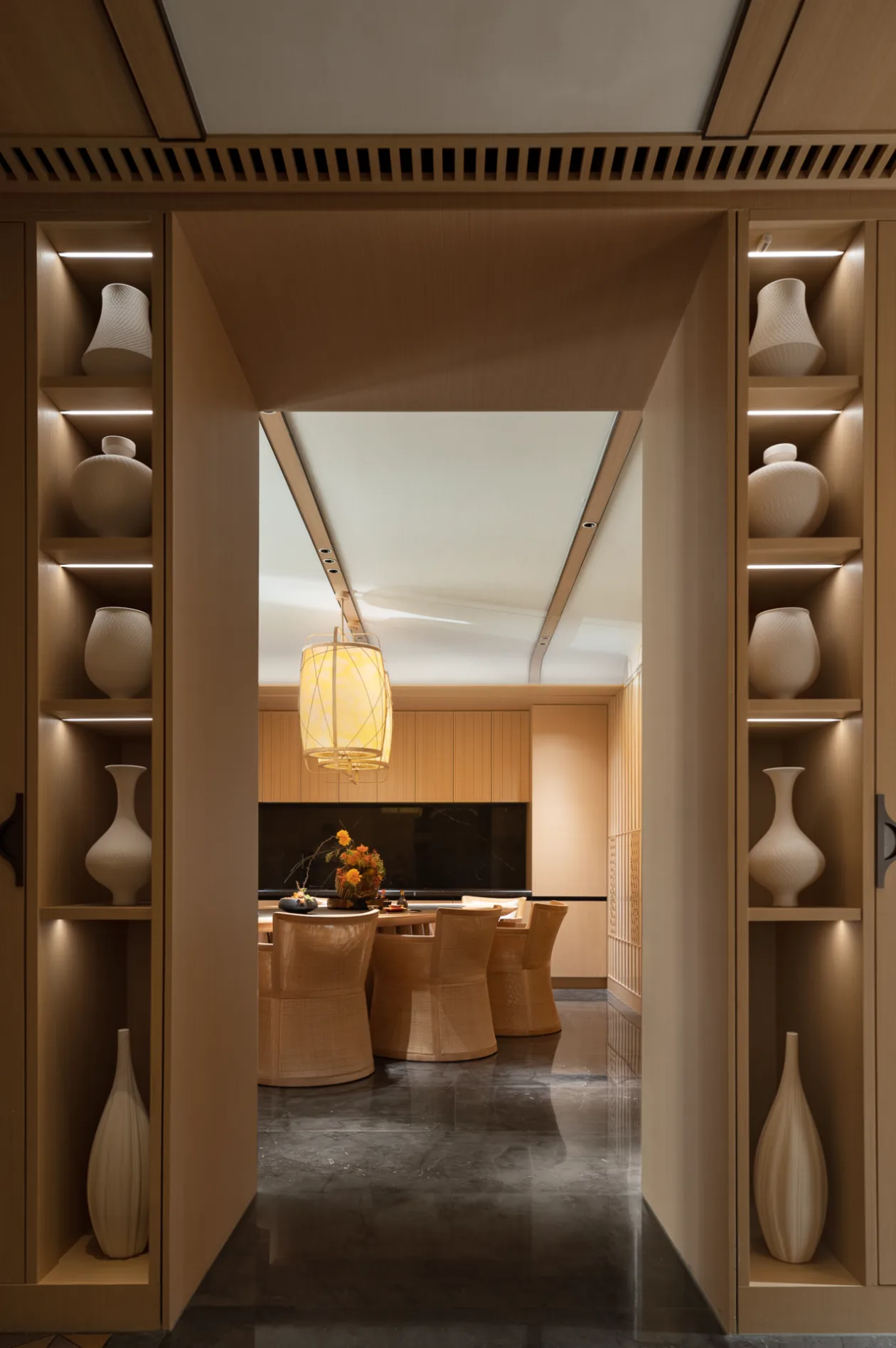
In custom cabinetry the hardest part of the Japanese style is avoiding clumsiness. CMITAL unifies cabinets and slats with same-colour edge banding, recesses the plinth for a floating look, and hides most storage inside a full wall - so you see only wood and light, with no loss of capacity. Slats and shoji doors are usually spaced 30-45 mm apart.
TRAITS
Style traits
- Low centre of gravity: counters and furniture are scaled down so the visual weight sits low
- Slats and shoji doors: 30-45 mm spacing, evenly proportioned rather than busy
- Natural materials - wood, rattan, cotton-linen, washi - allowed to oxidise and change colour naturally
- Clear daylight: cabinetry keeps clear of window openings and pale surfaces reflect light
- Storage fully concealed, with only essential open shelves on the elevation
PALETTE
Recommended palette
Colors can be picked from the standard palette closest to your target; the final color is confirmed by sample.
MATCHING
How to deliver this style
Recommended series
Suitable spaces
FAQ
About this style
Is the Japanese style only for small homes?
Is a tatami platform worth it?
Will solid wood warp or crack?
JAPANESE
Want a Japanese-style home?
Tell us your layout and ceiling height and our designers will give a buildable plan and budget range for this style.
- · Free measurement · Free 3D design · Free quote
- · Factory-direct, no middleman markup
- · ENF-grade eco substrate, move in right after install
- · Four series, freely mixable in one design language
Hotline 133-4035-1791