STYLE · WABI-SABI
Wabi-Sabi
Accepting imperfection and the marks of time; texture and negative space to settle body and mind
INTRO
How wabi-sabi is created
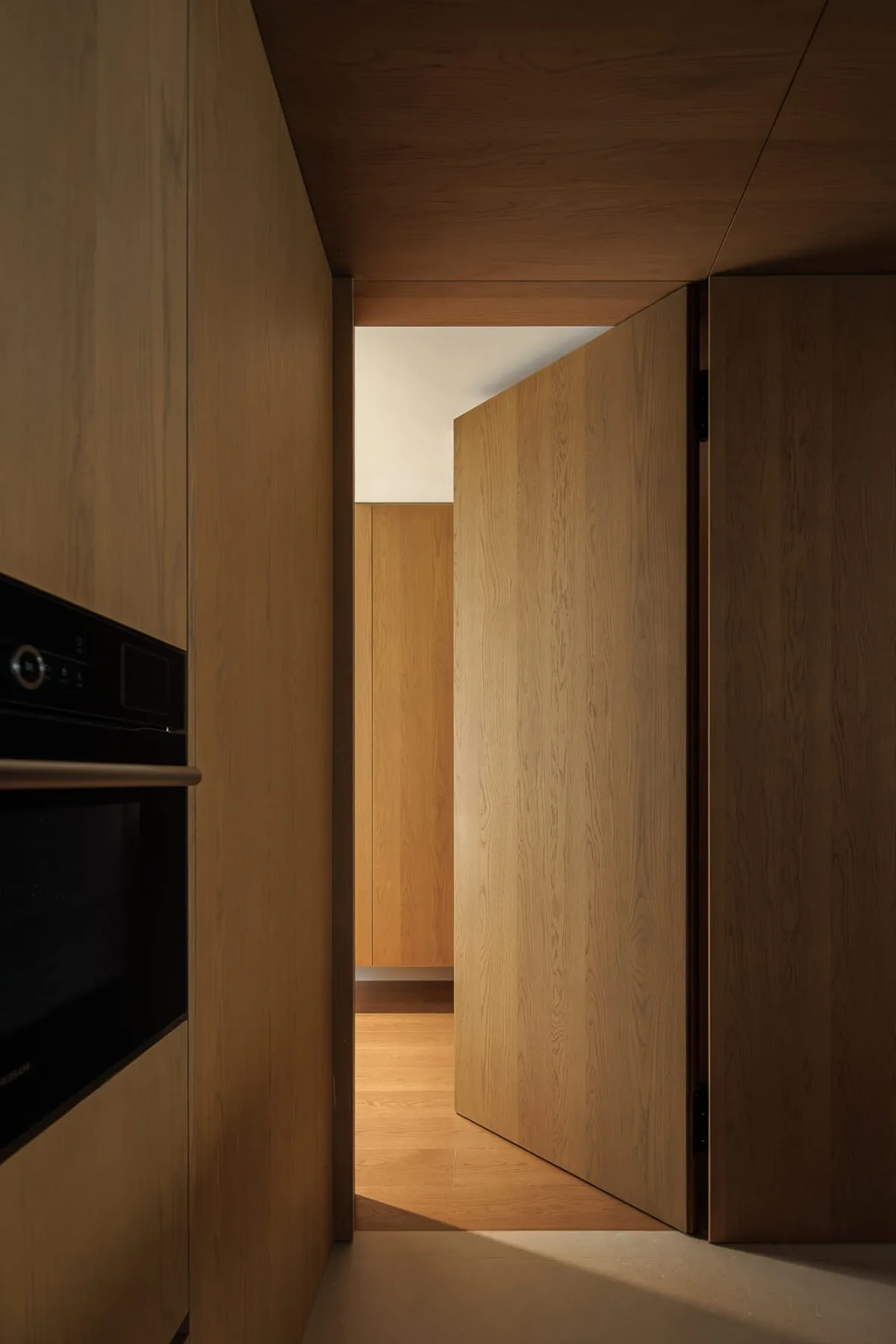
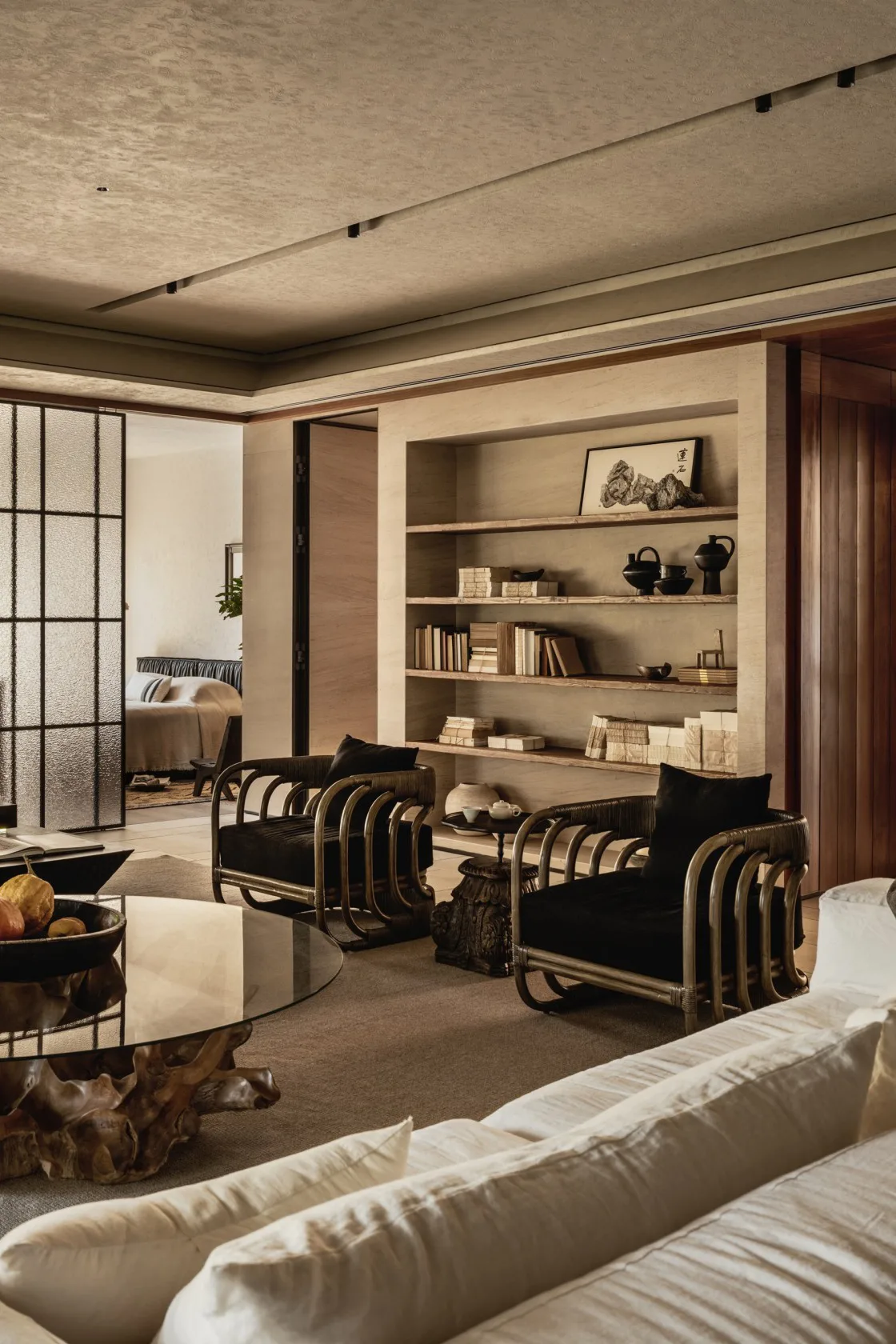
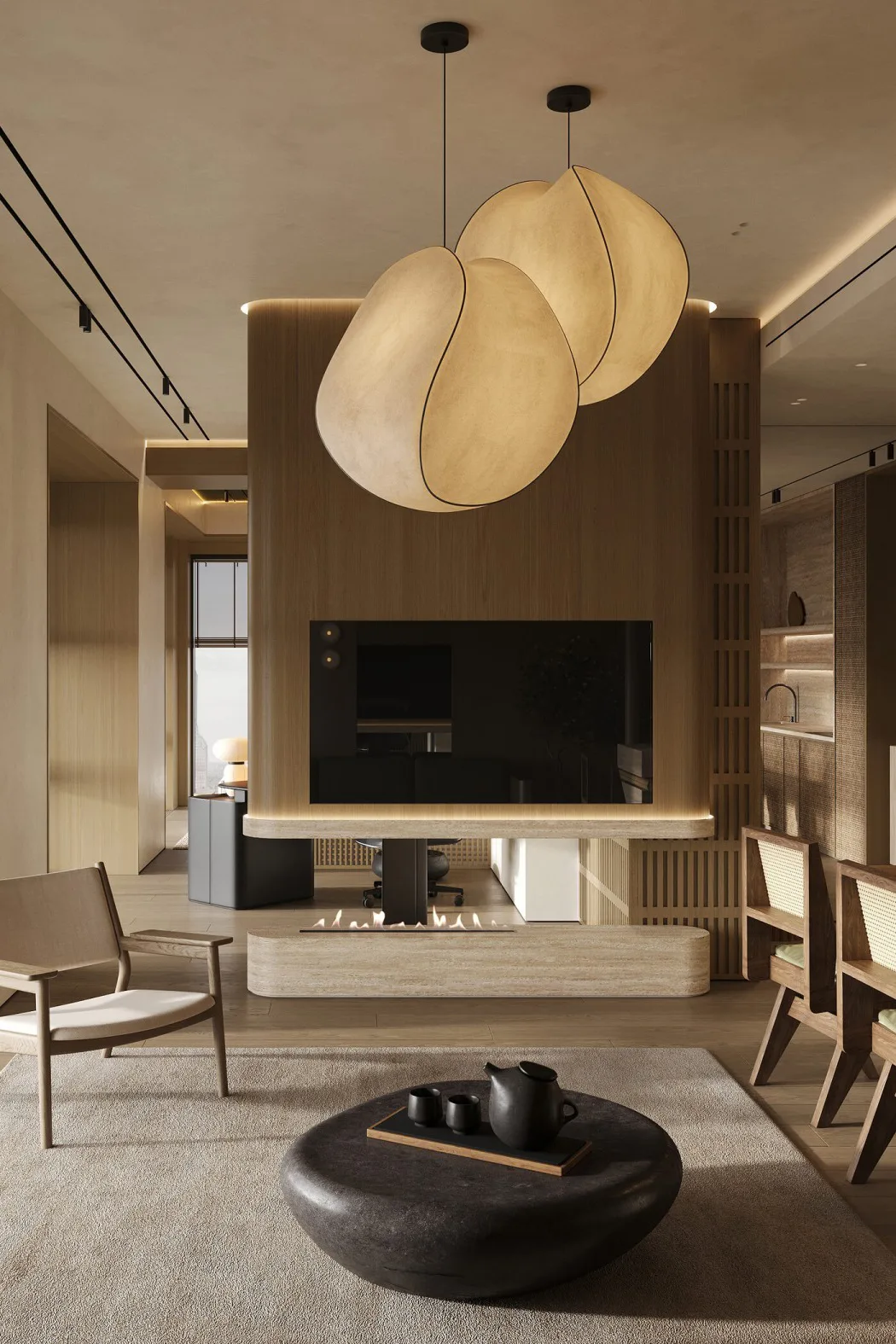
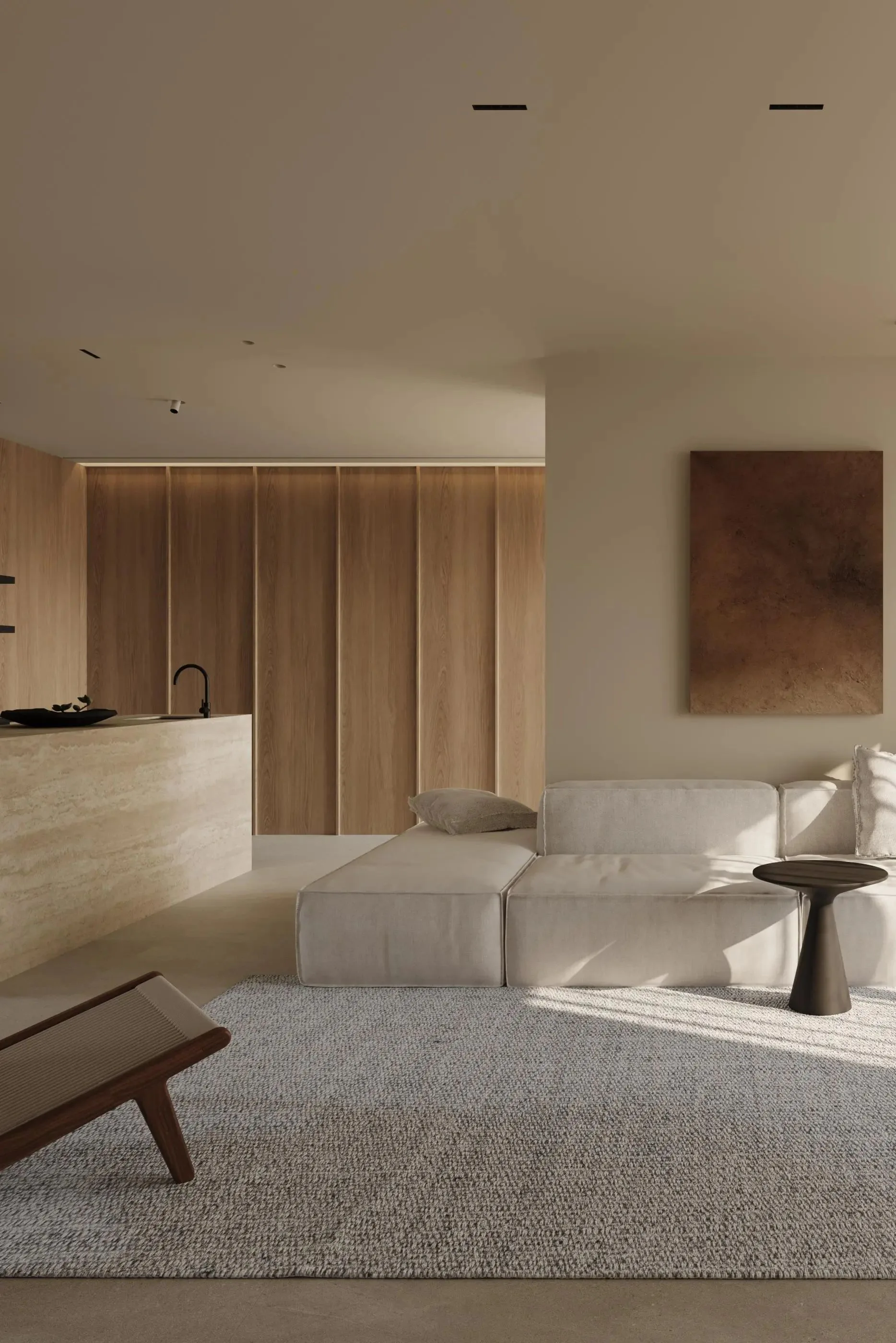
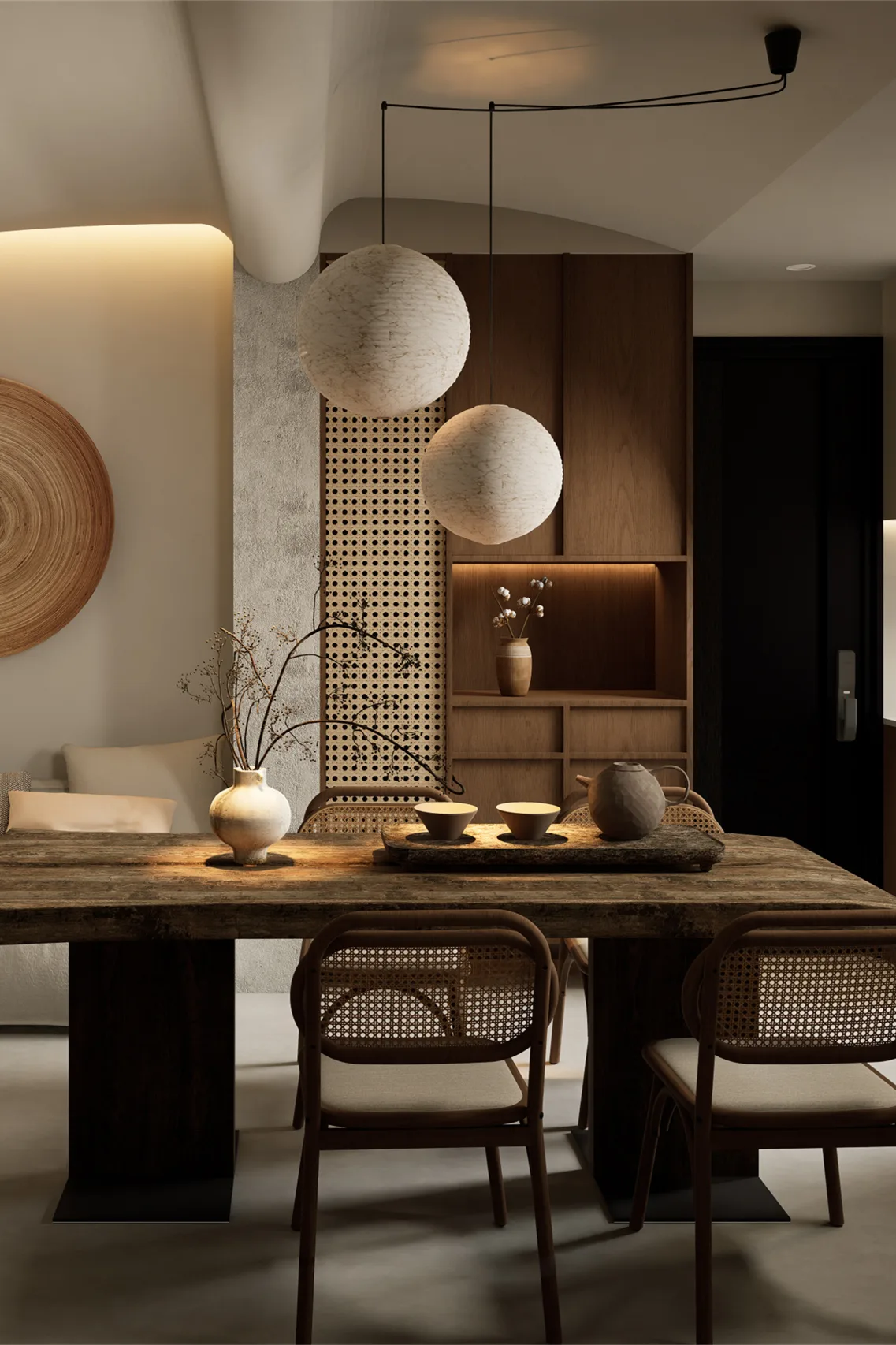
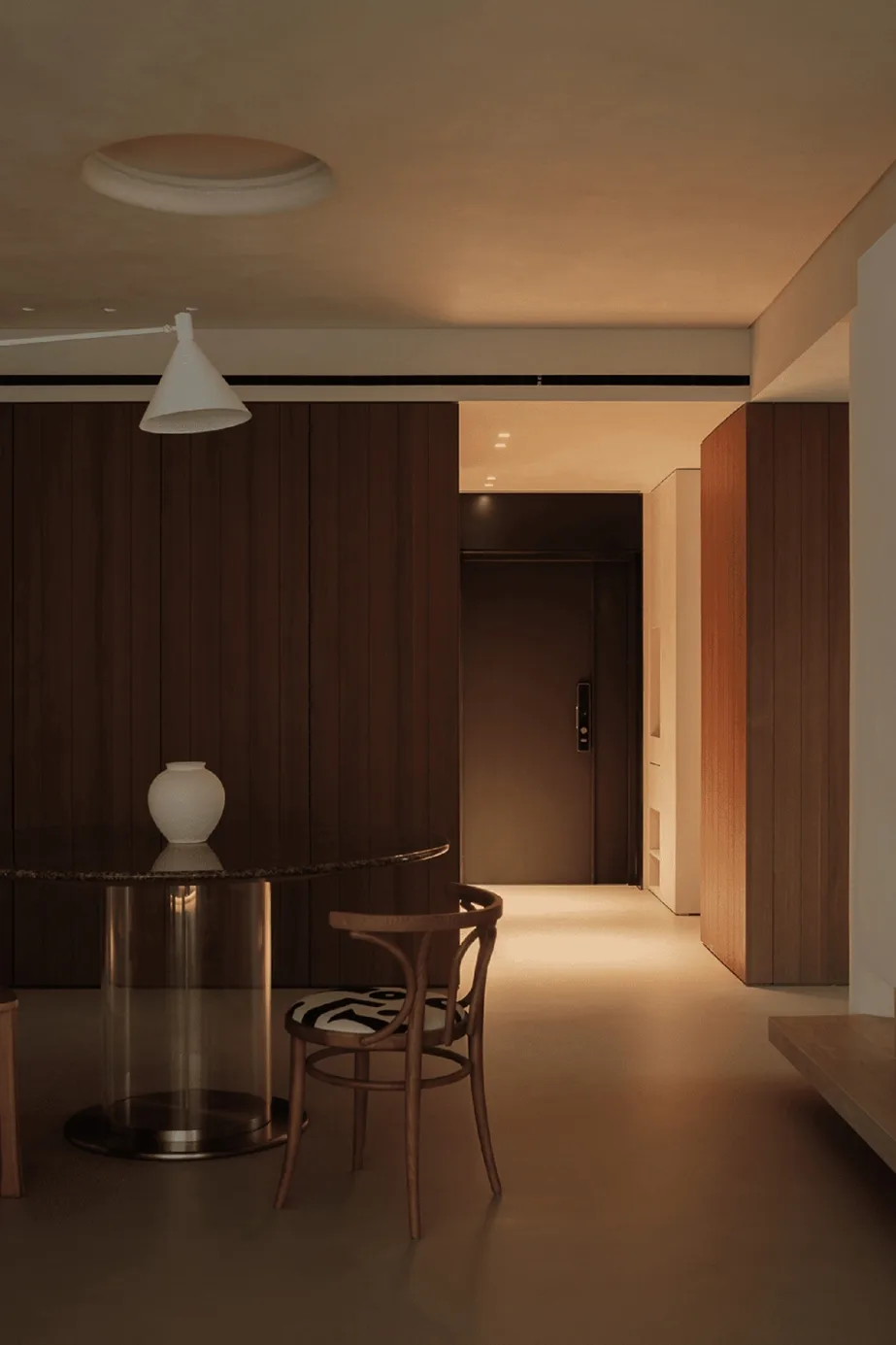
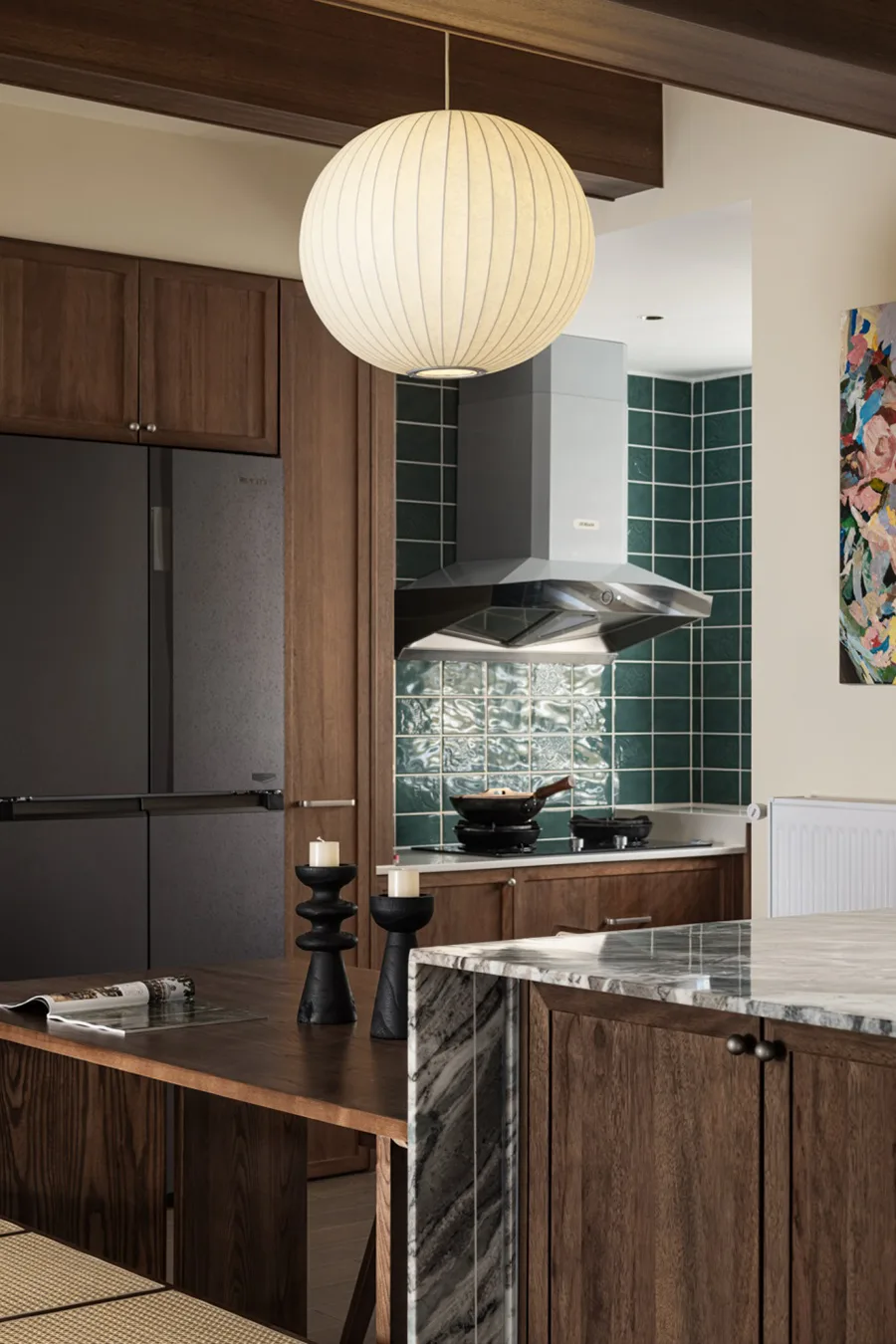
Wabi-sabi is not an unrenovated space. It moves attention from shapes back to the materials themselves: hand-troweled plaster, natural knots in wood veneer, uneven patches in art paint. These deliberately kept imperfections are precisely the most valuable part. It rejects any ornament that exists only to look pretty.
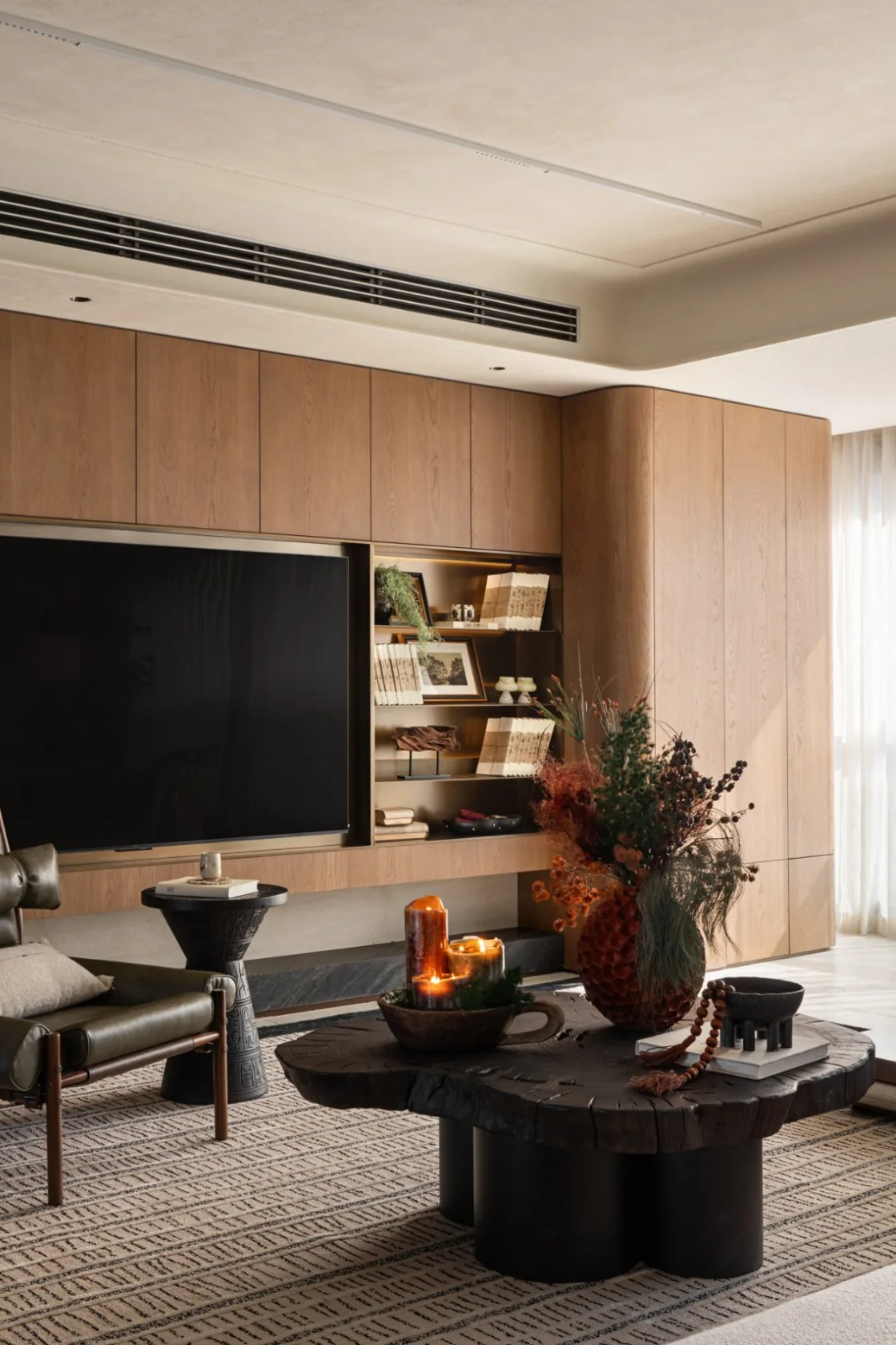
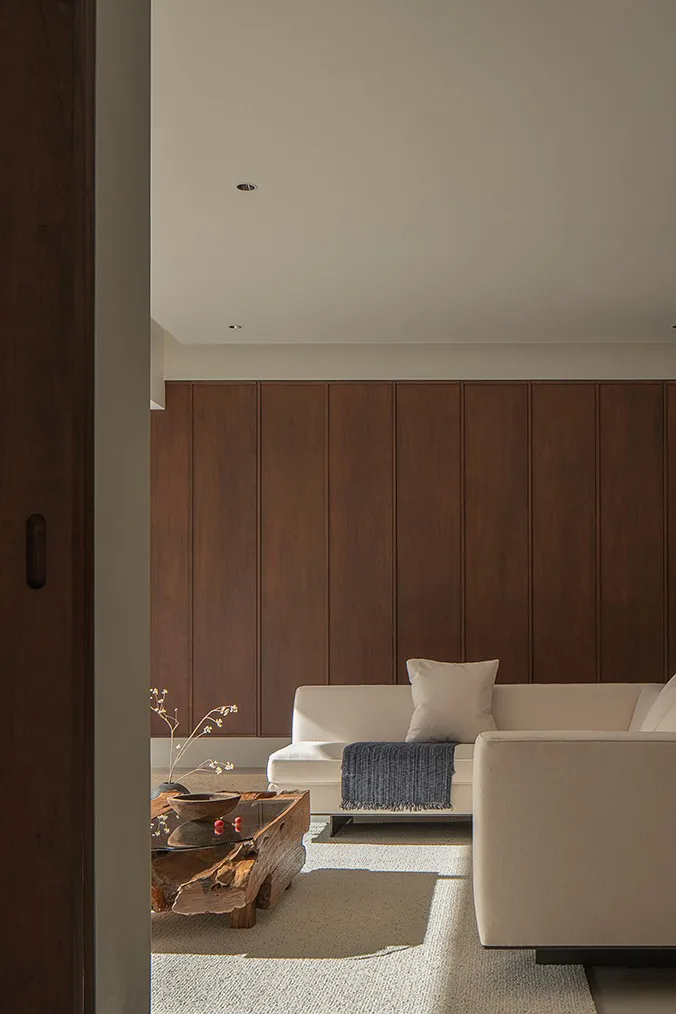
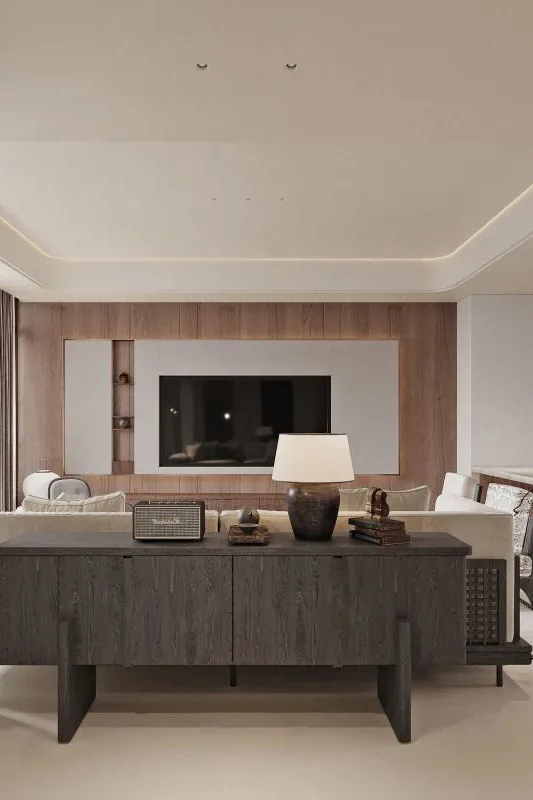
The difficulty is being plain without being sparse. CMITAL typically bases the design on the soft-touch texture of S1 melamine panels, adds volumes of book-matched S3 wood veneer, then uses concealed lighting and generous negative space to calm the space - almost no applied lines, letting material and light do the talking.
TRAITS
Style traits
- Texture first: handcrafted surfaces replace high gloss, and tool marks are kept rather than erased
- A quiet palette of beige, grey, terracotta and raw wood, generally below 20% saturation
- Asymmetric composition: avoid decorative centred layouts
- Concealed light sources: LED strips tucked into shelves and plinths so you see light, not fixtures
- Negative space of at least 30%, with few but fine open shelves
PALETTE
Recommended palette
Colors can be picked from the standard palette closest to your target; the final color is confirmed by sample.
MATCHING
How to deliver this style
Recommended series
Suitable spaces
FAQ
About this style
Is wabi-sabi just a bare-shell look?
Is there enough storage in this style?
What budget should I expect?
WABI-SABI
Want a wabi-sabi home?
Tell us your layout and ceiling height and our designers will give a buildable plan and budget range for this style.
- · Free measurement · Free 3D design · Free quote
- · Factory-direct, no middleman markup
- · ENF-grade eco substrate, move in right after install
- · Four series, freely mixable in one design language
Hotline 133-4035-1791